
How Do AI Overviews and ChatGPT Actually Decide What to Cite?
AI systems favor content that answers a question directly and early, comes from a page with clear authorship and real depth, and is structured so the answer can be lifted cleanly without needing the rest of the page for context. Vague, marketing-heavy copy rarely gets cited, even from otherwise authoritative sites.
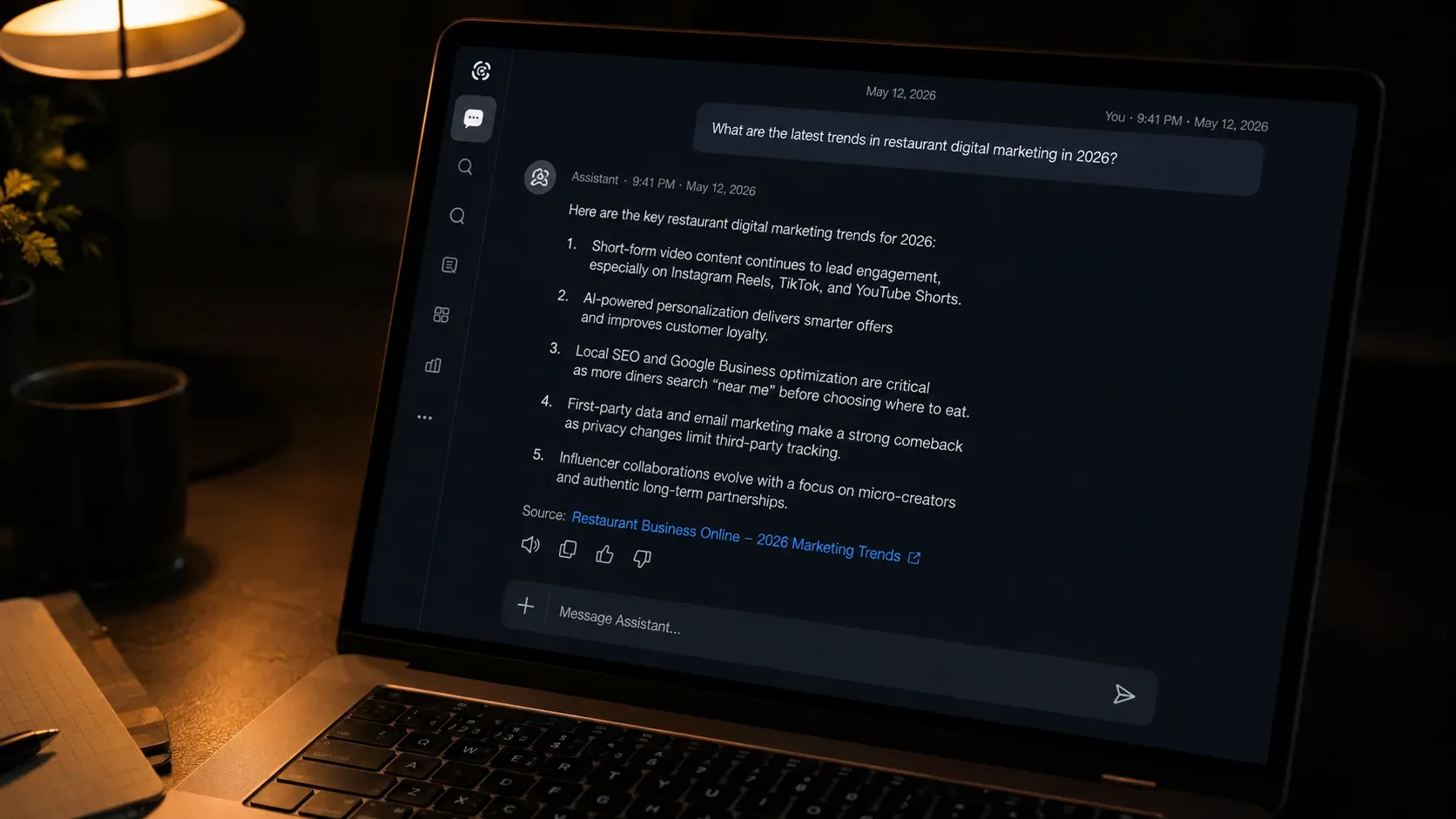
The short version
AI systems are trying to answer a question as directly and reliably as possible. They favor content that does the same — a clear, self-contained answer, from a source that looks credible, structured so the relevant passage can be extracted without needing the rest of the page.
What actually gets weighted
A direct answer, stated early
If the real answer to a question is buried in paragraph six after two paragraphs of scene-setting, an AI system either has to work harder to find it or skips the page for one that states it plainly near the top.
Passage-level clarity
AI engines don't cite entire pages — they lift specific passages. A paragraph that stands on its own, without requiring the reader to have absorbed three paragraphs before it, is far more likely to be the passage that gets pulled.
Real authorship and credibility signals
A named author with real expertise, a business with a verifiable identity, and content that isn't obviously templated all factor into whether an AI system treats a source as reliable enough to cite.
Structural cues
Clear headings phrased as questions, FAQ sections, and content organized around actual search intent — not just keyword density — all make it easier for an AI system to identify and lift the relevant part of a page.
What gets skipped
Vague marketing copy that never quite states a fact. Content that requires reading the whole page to understand any one claim. Pages with no clear authorship. Thin content padded to hit a word count without adding real information.
The practical shift
Writing for AI citation isn't really a separate skill from writing well for a human reader in a hurry — it rewards the same thing: say the real answer clearly, early, and back it up, instead of building up to it.
Questions people ask
Does having a lot of backlinks guarantee an AI citation?
No. Backlinks help with traditional SEO authority, but AI citation weighs passage-level clarity and direct answers heavily — a page with fewer backlinks but a cleaner, more directly-stated answer can outperform a highly-linked page that buries its point.
Can a business influence which passage gets quoted?
Not precisely, but structuring content so each section states one clear, self-contained answer — rather than requiring the whole page to make sense of any one claim — makes it far more likely that the passage an AI system does lift is accurate and complete.
Newsletter
Liked this? Get the next one first
New writing on getting found in search and AI answers, restaurant marketing, and the work behind our projects. Only when it’s worth your time.
How we can help
Structuring content so AI systems like ChatGPT, Claude, and Perplexity cite it when answering questions — the newest layer of search visibility, built on top of solid SEO rather than replacing it.
AEOStructuring content to appear in featured snippets, People Also Ask boxes, and AI Overviews — the search results that answer a question before a visitor ever clicks through.
Keep reading
AI search tools need clean, crawlable HTML (not content trapped behind JavaScript that never renders for a bot), structured data like Schema.org markup, and genuinely substantive content — not thin pages built purely for keywords. A fast, well-built site is table stakes before any of the content work matters.
What's the Difference Between SEO, AEO, and GEO?SEO gets your page ranking in traditional search results. AEO structures that content to win featured snippets and 'People Also Ask' boxes. GEO goes a step further, structuring content so AI tools like ChatGPT and Perplexity actually cite it in a generated answer. They build on each other — GEO doesn't work without solid SEO underneath it.
Top 7 Food Influencers in Tampa Bay, Orlando and Nearby Areas for Restaurant MarketingOur seven picks for restaurant influencer partnerships in Tampa Bay and Orlando are Food by Tiana, Tasty Chomps, Jesus Andres Andrade, Bin Min Munch, Michael Haffner, Mr. Tampa Bay and Your Tampa Bestie — chosen for local trust, thoughtful content and how their audiences actually respond, not follower counts.