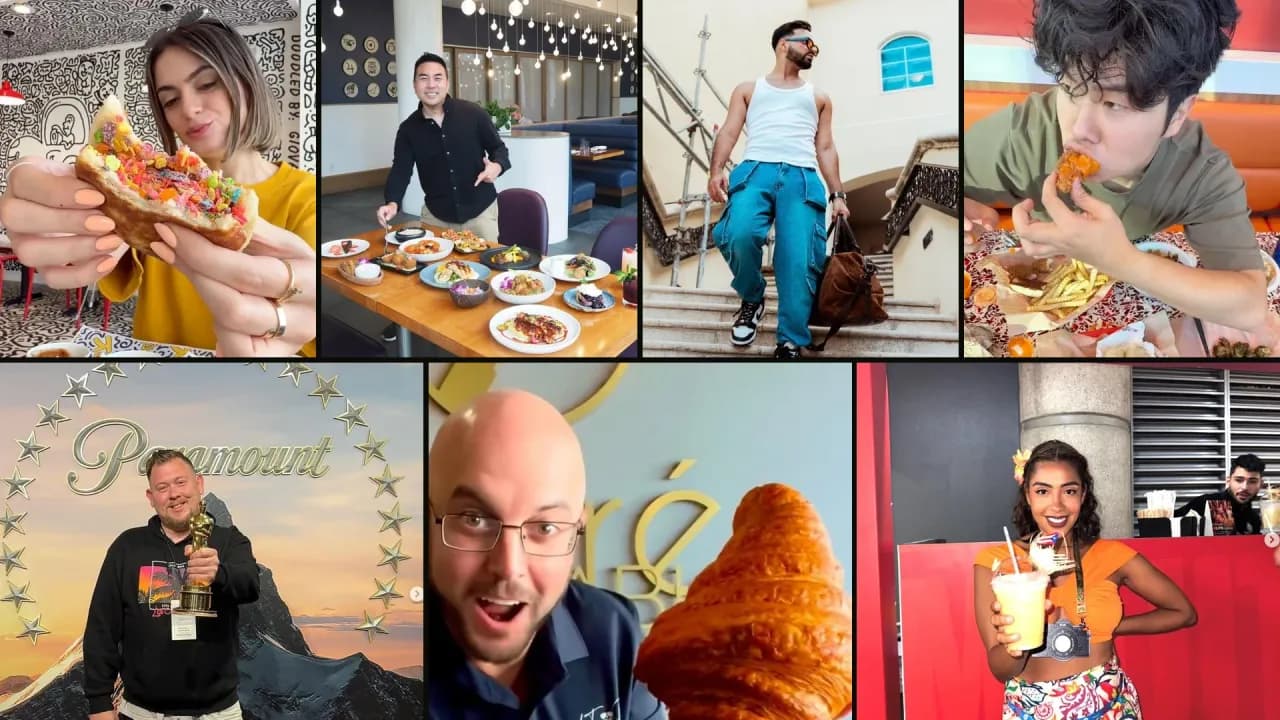
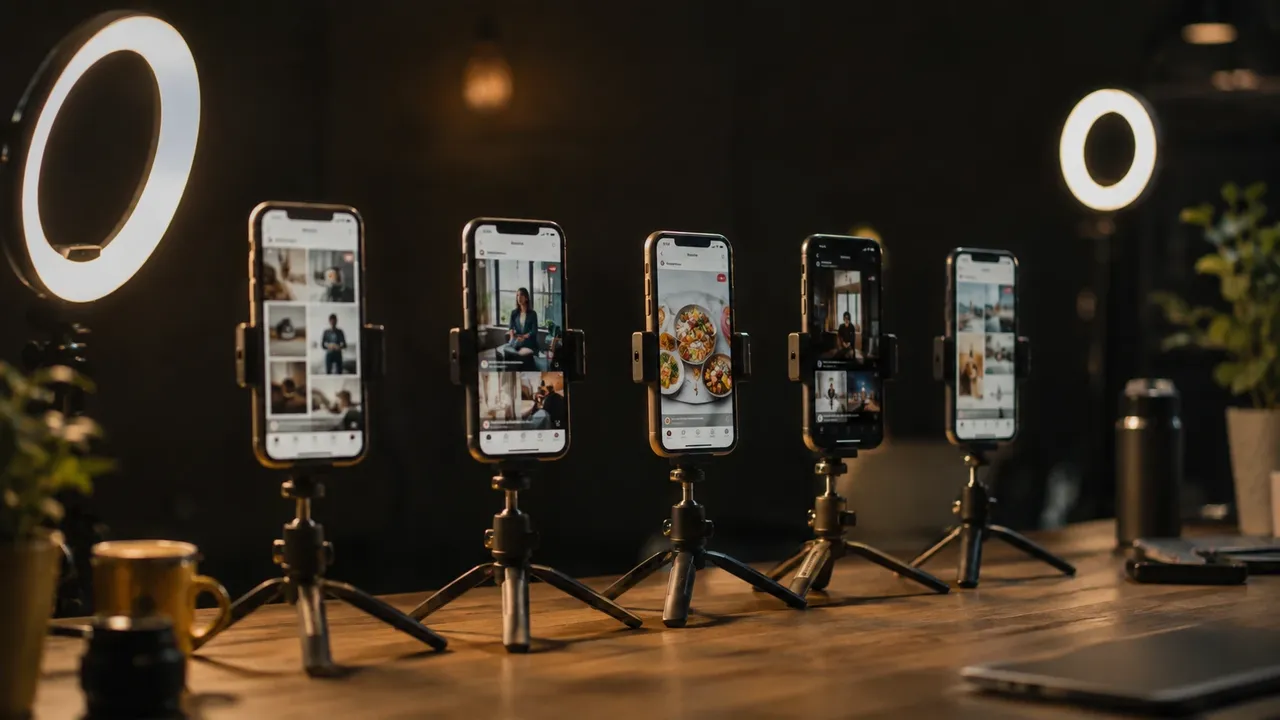
Two platforms, run well, consistently beat four platforms run thinly. For most small businesses, that means Instagram and Facebook as the core, with TikTok or YouTube added only when there's a real audience and content plan for it — not because a platform exists.
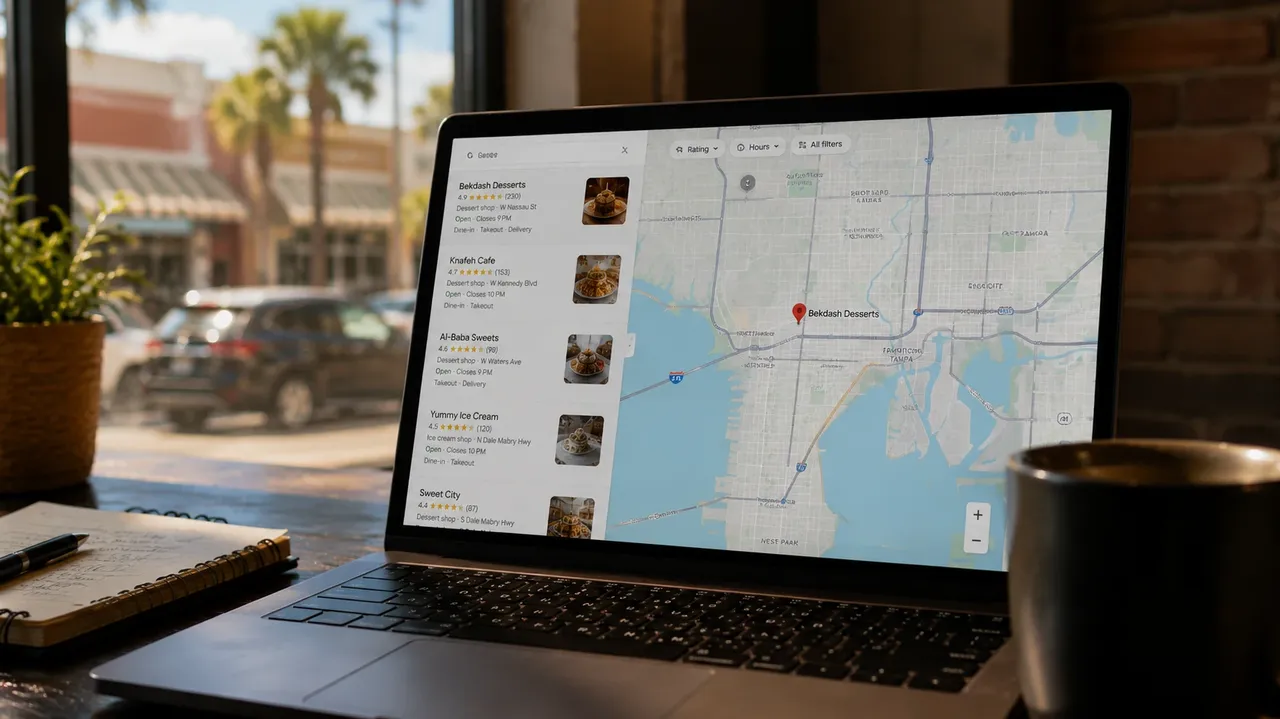
Local SEO in a competitive market like Tampa comes down to three things done consistently: a fully optimized Google Business Profile, real local citations with consistent business info, and location-specific content — not just a city name dropped into existing page copy. Consistency and depth beat shortcuts here.
For most local businesses, Facebook and Instagram ads (run together, through Meta's ad platform) are the strongest starting point — precise local targeting and a broad, established user base. TikTok can outperform for businesses whose audience genuinely skews younger, but it needs native-feeling video content, not a repurposed Instagram ad.
AI search tools need clean, crawlable HTML (not content trapped behind JavaScript that never renders for a bot), structured data like Schema.org markup, and genuinely substantive content — not thin pages built purely for keywords. A fast, well-built site is table stakes before any of the content work matters.
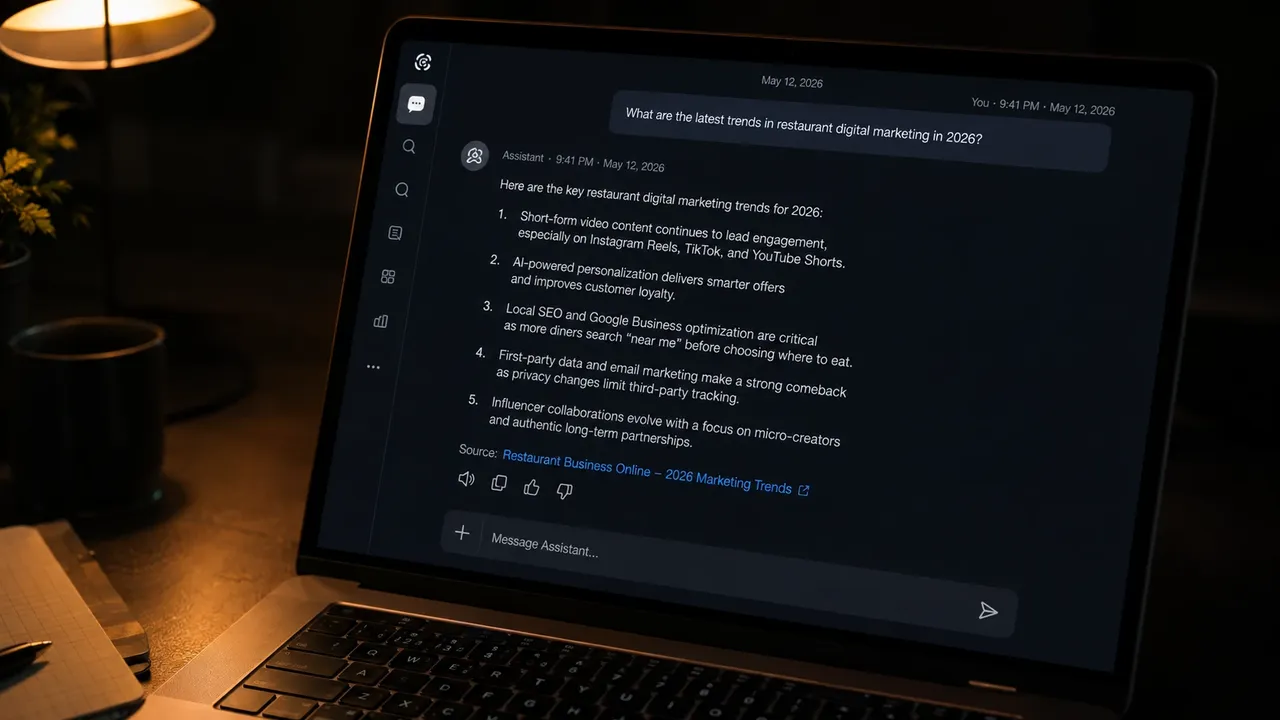
AI systems favor content that answers a question directly and early, comes from a page with clear authorship and real depth, and is structured so the answer can be lifted cleanly without needing the rest of the page for context. Vague, marketing-heavy copy rarely gets cited, even from otherwise authoritative sites.
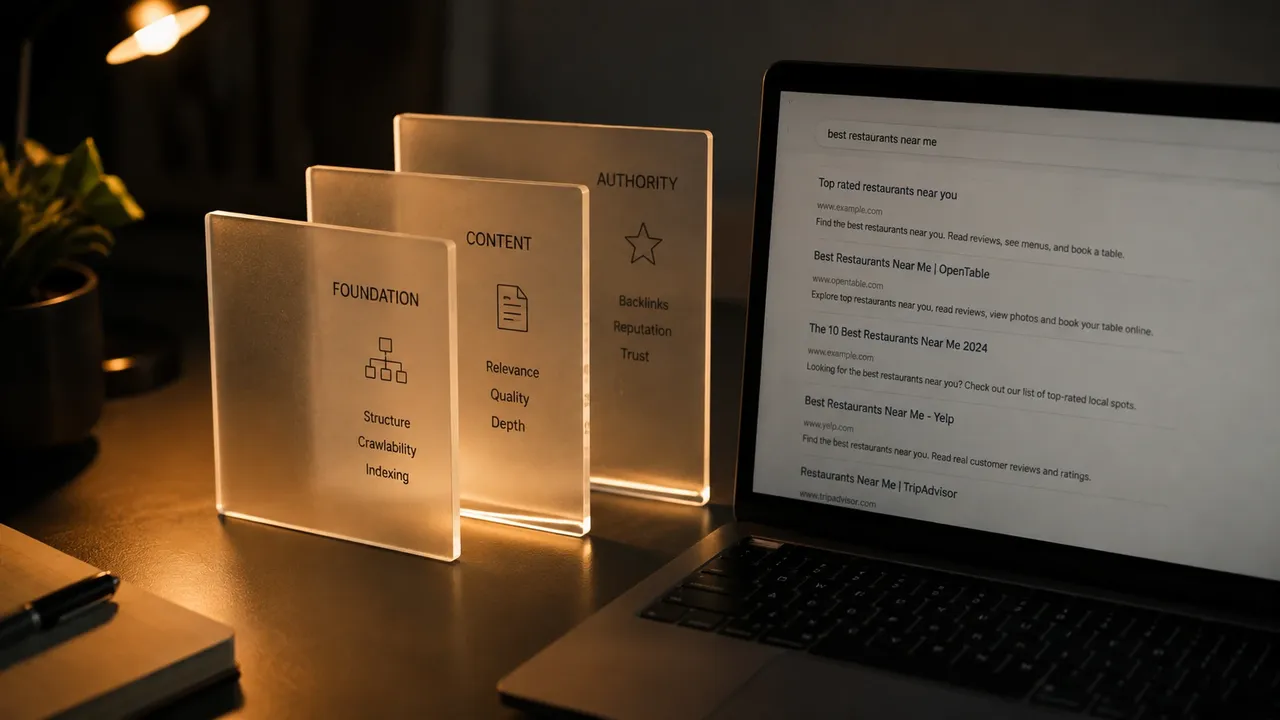
SEO gets your page ranking in traditional search results. AEO structures that content to win featured snippets and 'People Also Ask' boxes. GEO goes a step further, structuring content so AI tools like ChatGPT and Perplexity actually cite it in a generated answer. They build on each other — GEO doesn't work without solid SEO underneath it.
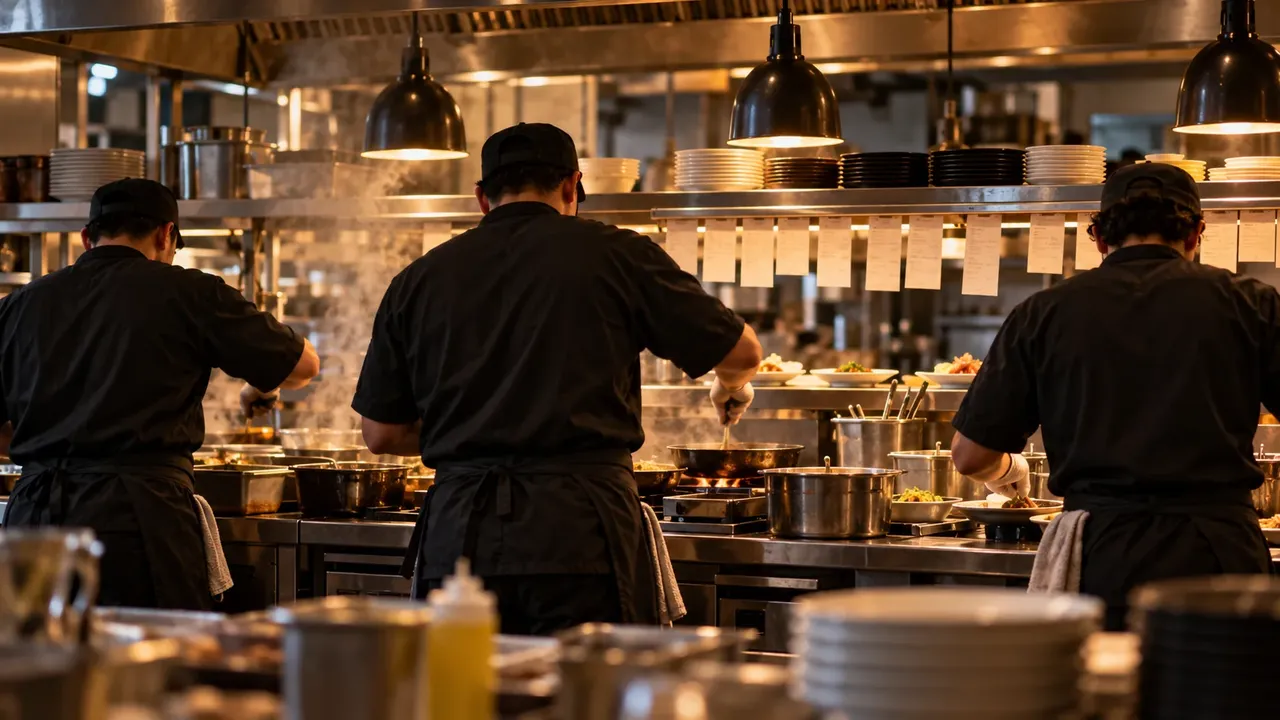
For most single-location restaurants, an agency is the better first move — you get a full team (photography, strategy, paid media) for what one junior in-house hire would cost alone. In-house makes more sense once you're running multiple locations with enough volume to justify a full-time role.
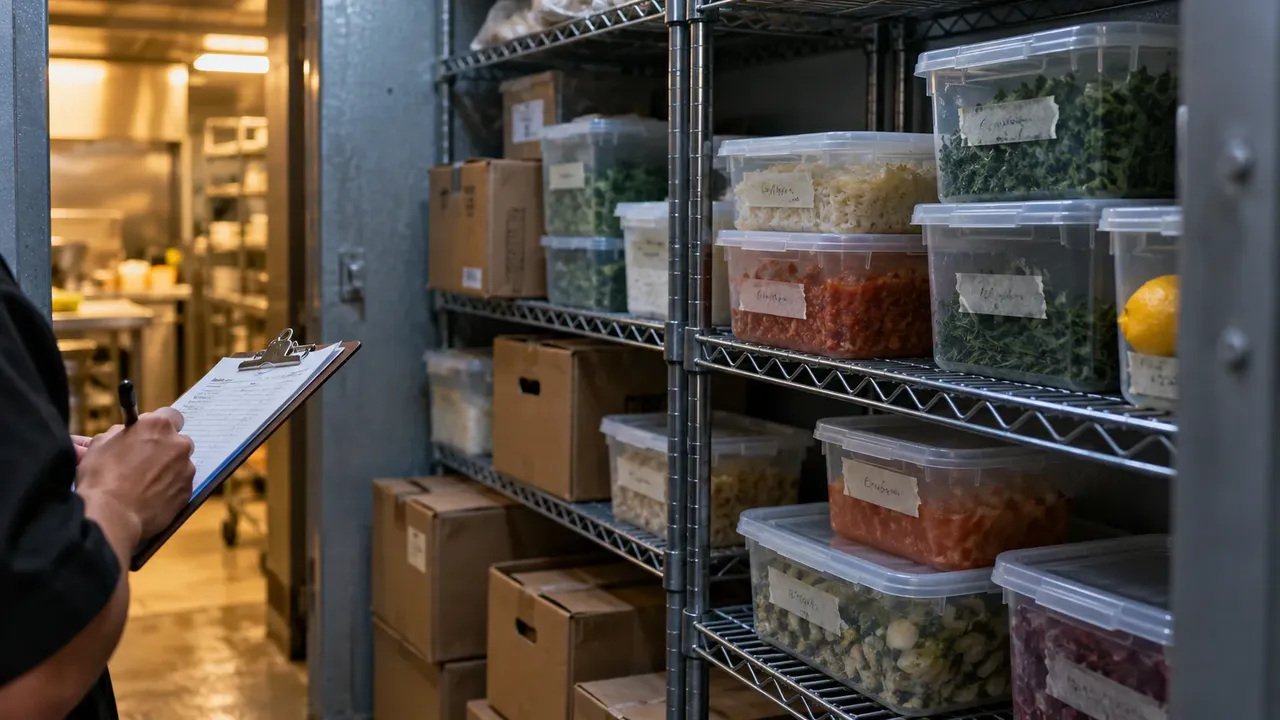
Opening a second location successfully means turning what already works at the first one into a documented system — recipes, SOPs, and training — before you open, not after. The restaurants that expand fastest treat their first location as a prototype, not a one-off.
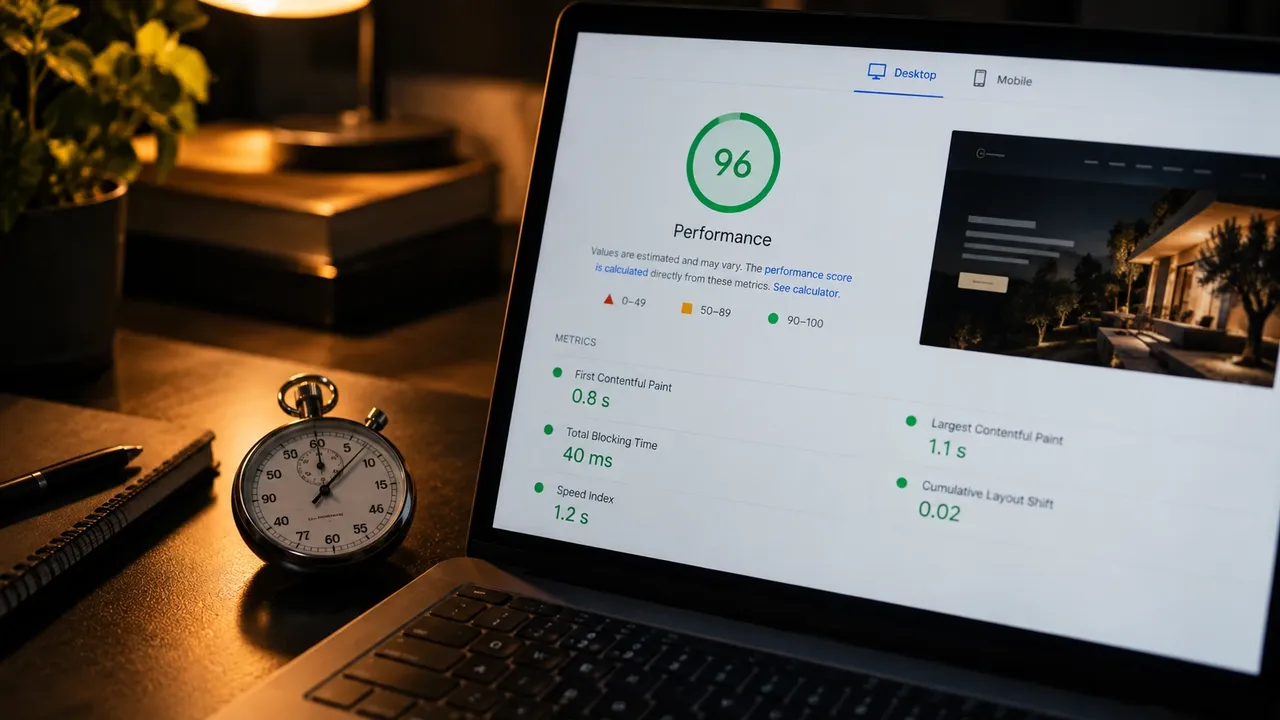
Yes — page speed is a confirmed Google ranking factor through Core Web Vitals, and it directly affects how much of a site search engines can crawl. Speed mostly comes down to image optimization, minimal unnecessary JavaScript, and genuinely efficient hosting — not a single magic setting.
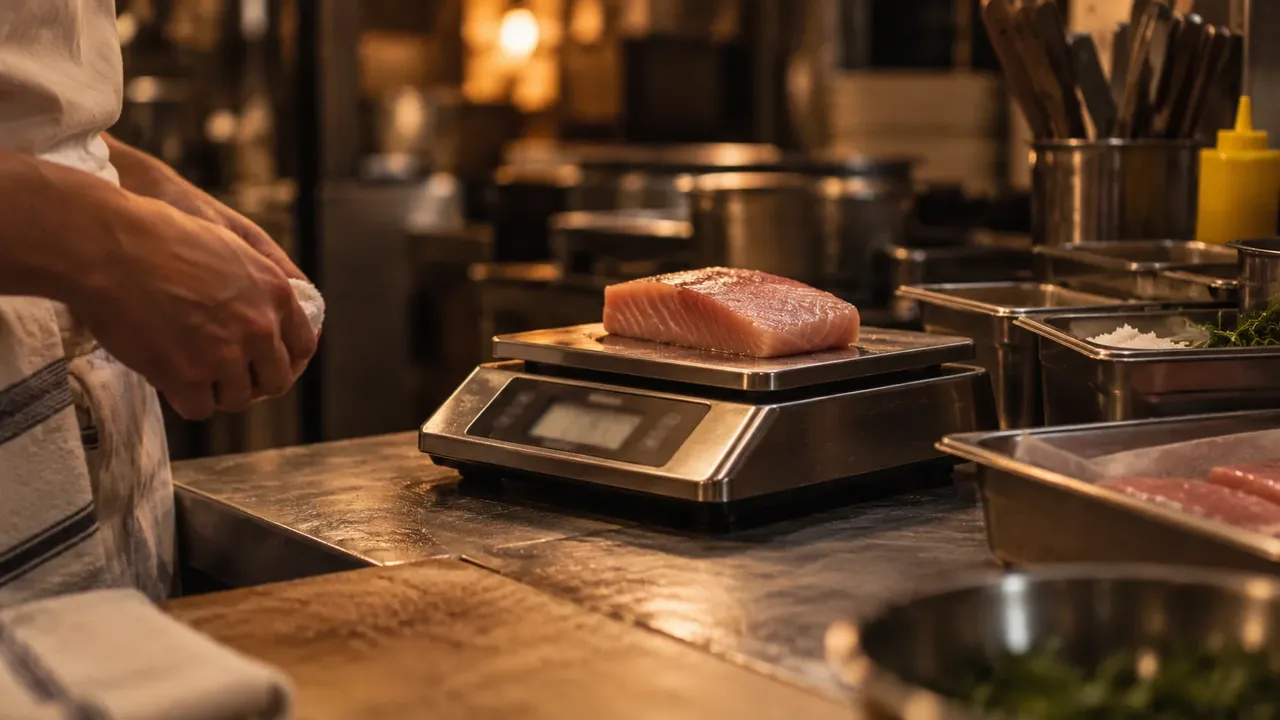
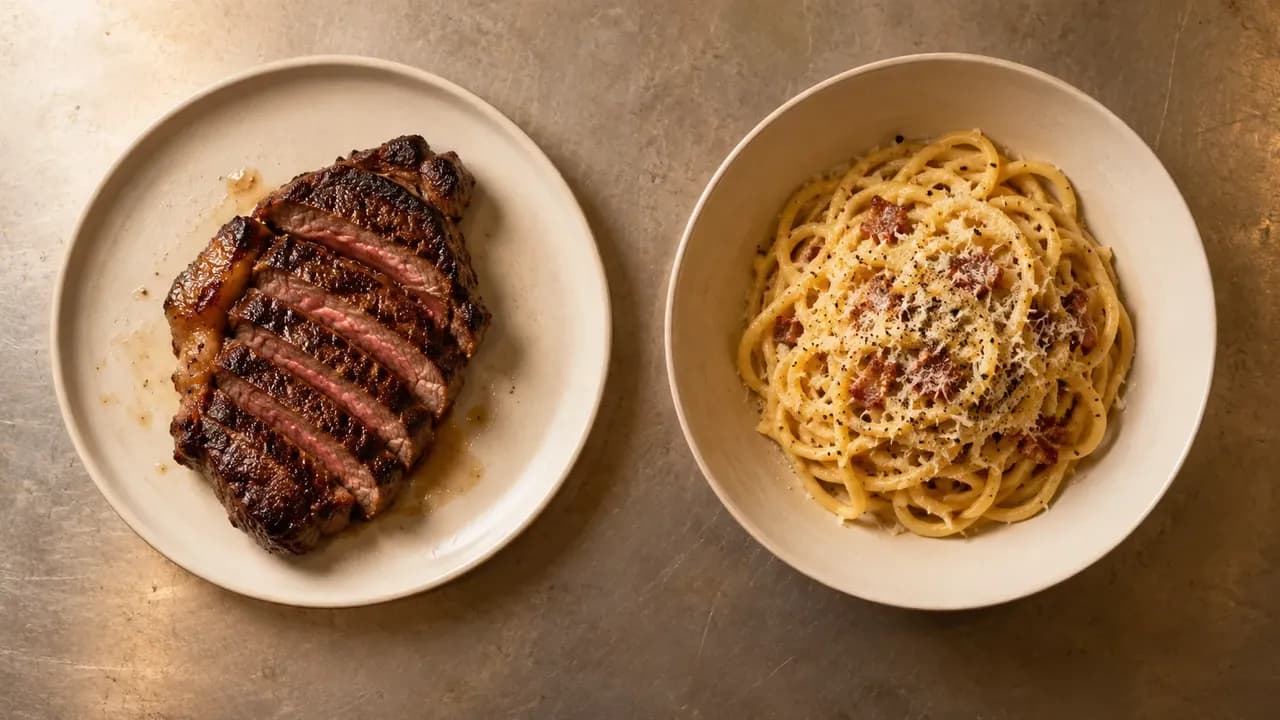
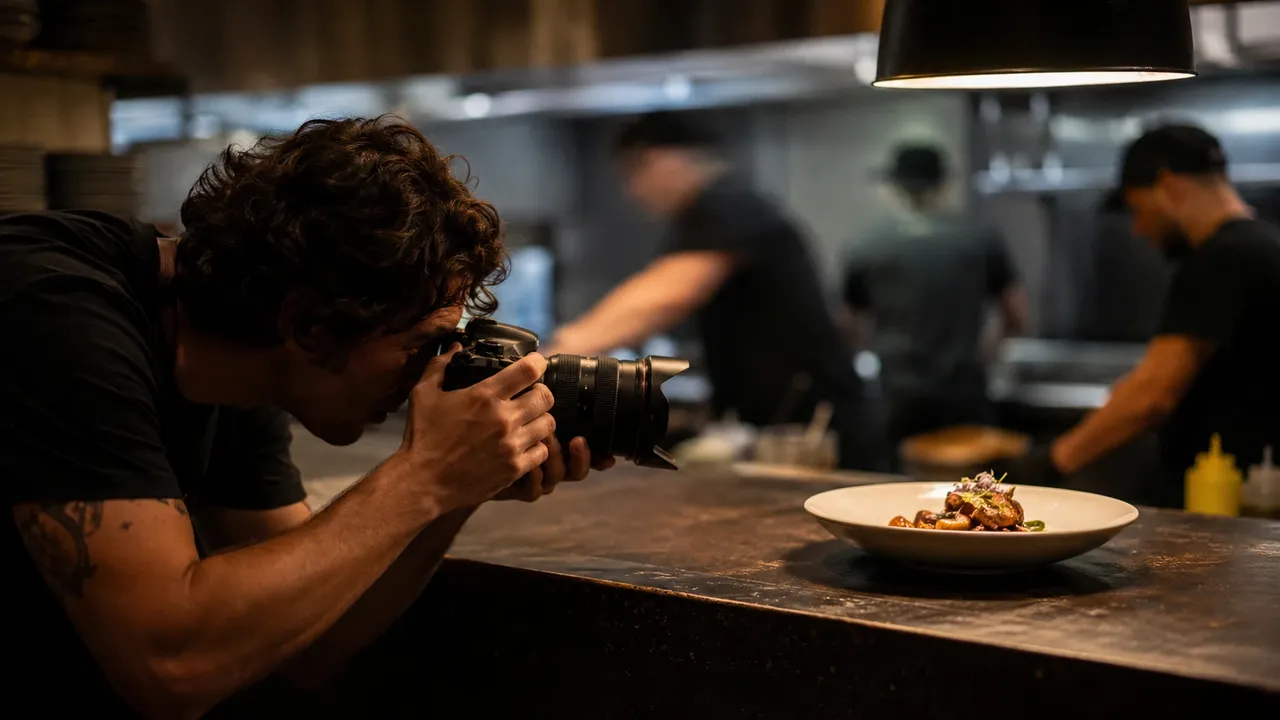
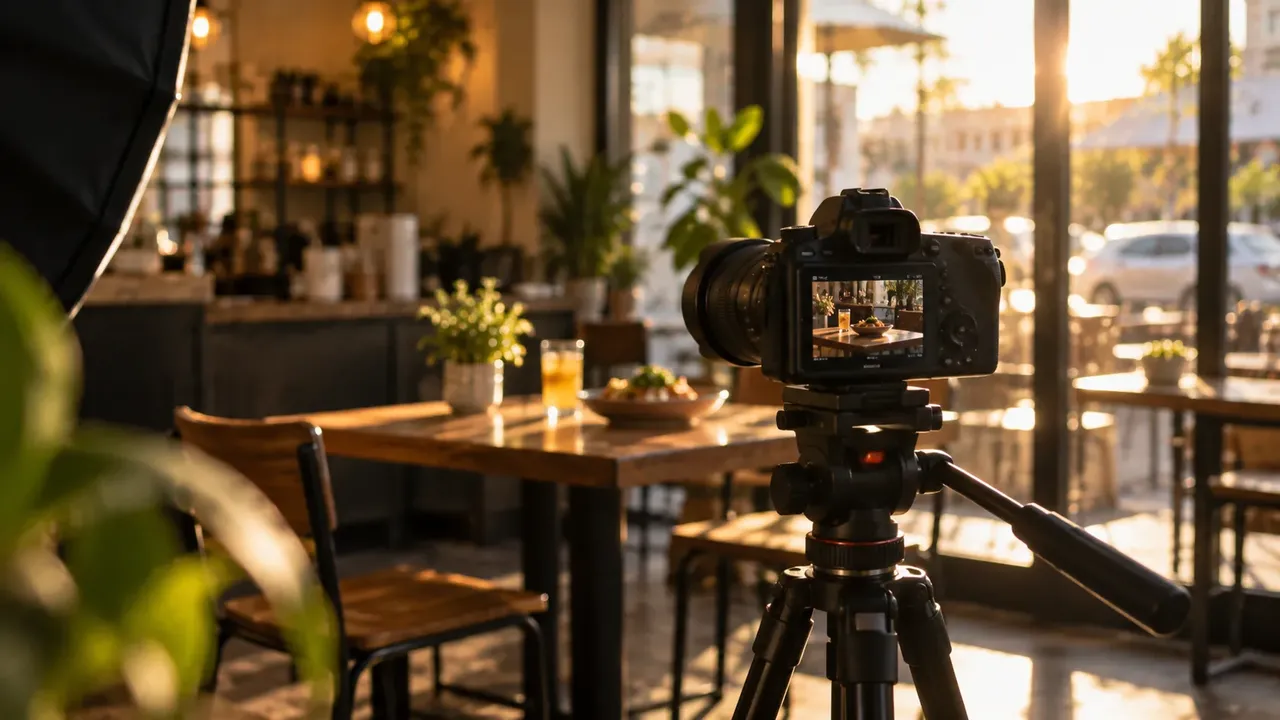
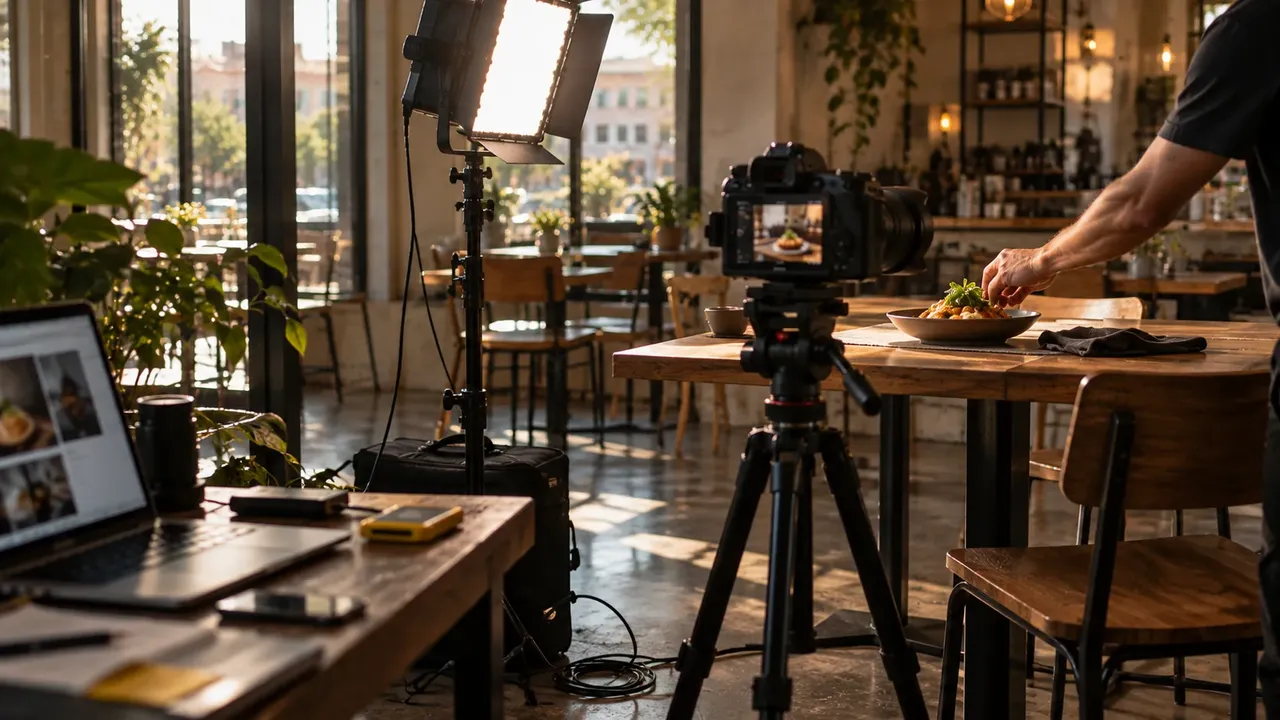
Content that converts shows process, not just plated food — the extrusion, the plating, the hands doing the work. It's shot on location, at your restaurant, not staged in a studio. Likes are a vanity metric; the content that actually drives a booking shows something a stock photo can't fake.
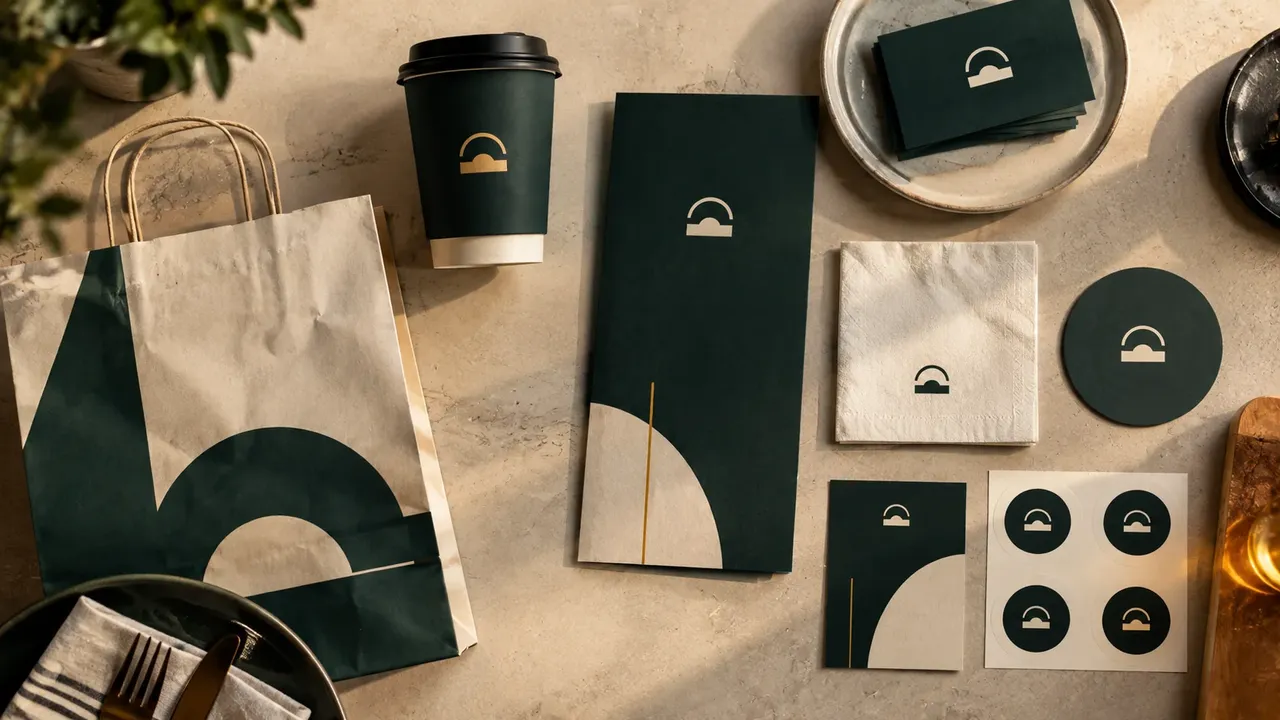
A logo refresh fixes how the brand looks. A rebrand fixes what the brand means — its positioning, its voice, the story it tells. If customers still understand what you do and just think the visuals feel dated, refresh. If the business has genuinely changed and the old identity no longer fits, that's a rebrand.
Most independent restaurants pay $1,500-$4,000 a month for full-service social media management — content creation, posting, and community management. Multi-location groups and anyone running paid ads should expect more. The number depends on what's actually included, not a flat industry rule.