
How Many Social Platforms Should a Small Business Actually Run?
Two platforms, run well, consistently beat four platforms run thinly. For most small businesses, that means Instagram and Facebook as the core, with TikTok or YouTube added only when there's a real audience and content plan for it — not because a platform exists.
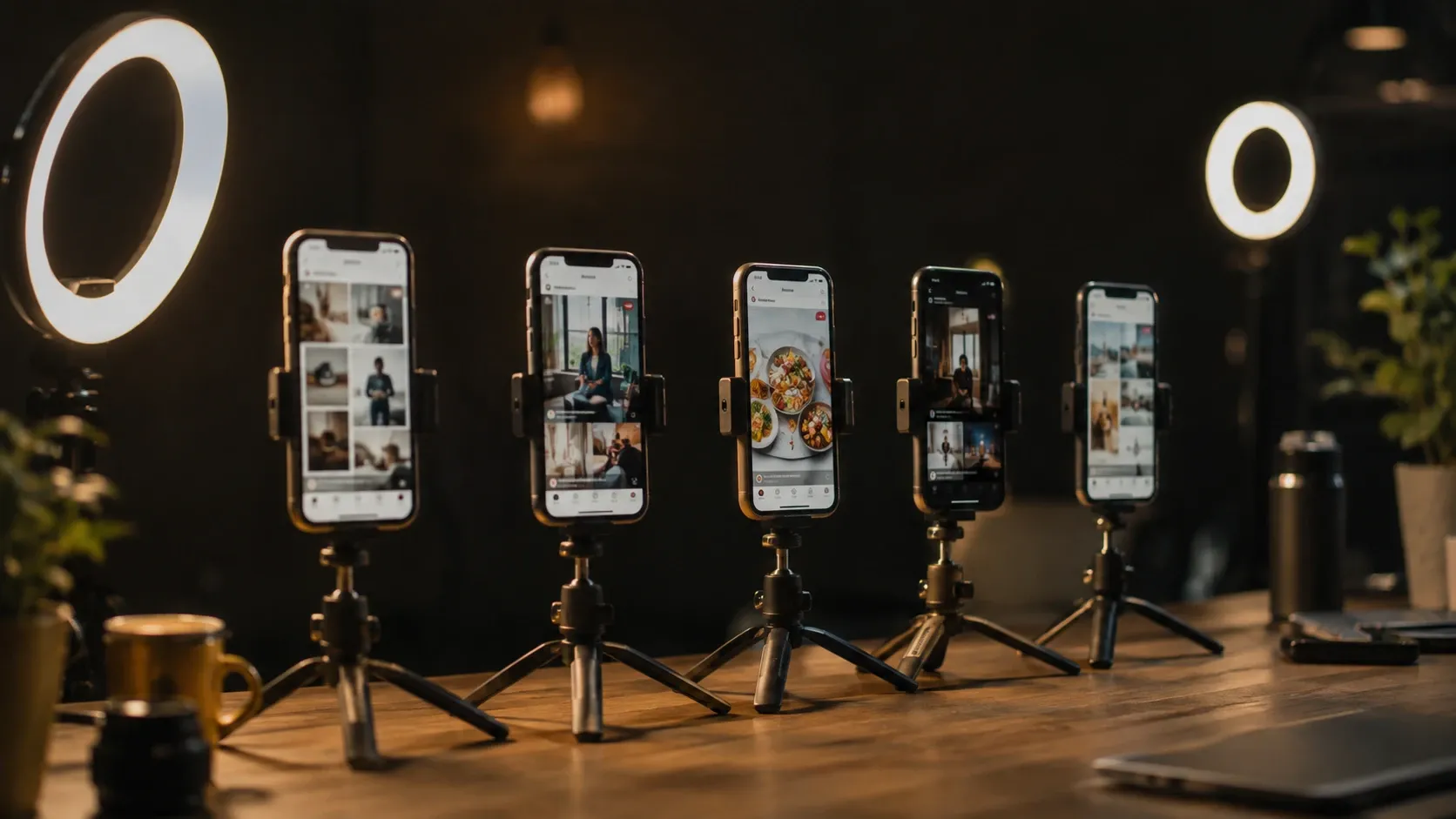
More platforms isn't more reach — it's less attention per platform
A small business posting daily on two platforms will consistently outperform the same business posting inconsistently across five, because content quality and posting consistency both suffer the more accounts a small team tries to feed.
The realistic baseline
For most small businesses, Instagram and Facebook together cover the broadest, most reliable base — different enough in audience behavior to be worth running both, similar enough in content needs that one content shoot can usually serve both.
When a third platform earns its spot
TikTok
Worth adding when there's a genuinely younger audience and — critically — a real plan for platform-native video, not repurposed Instagram Reels with different captions.
YouTube
Worth adding for businesses with content that benefits from longer format — behind-the-scenes, how-to, in-depth storytelling — not as a dumping ground for the same 30-second clips already living elsewhere.
Relevant almost exclusively for B2B businesses, or for hiring and company culture content — rarely the right add for a consumer-facing local business.
The actual cost of spreading thin
It's not just time. Inconsistent posting on a platform signals to that platform's algorithm that the account isn't reliably active, which suppresses reach on future posts — meaning a neglected fourth platform can actively perform worse than not having one at all.
The practical rule
Add a platform only when there's a specific audience reason and enough content capacity to post there consistently — not because "we should probably be on TikTok too."
Questions people ask
Is it ever fine to run just one platform?
Yes, for some businesses — if the audience is overwhelmingly concentrated on one platform and the team can only reliably produce content for one, running that one well beats spreading thin across two poorly.
Does inactivity on a platform actually hurt, or just fail to help?
It actually hurts. Platforms suppress reach for accounts that post inconsistently, so a neglected account can perform worse over time than not having one — it signals unreliability to the algorithm, not just absence.
Newsletter
Liked this? Get the next one first
New writing on getting found in search and AI answers, restaurant marketing, and the work behind our projects. Only when it’s worth your time.
How we can help
Proof
Keep reading
Our seven picks for restaurant influencer partnerships in Tampa Bay and Orlando are Food by Tiana, Tasty Chomps, Jesus Andres Andrade, Bin Min Munch, Michael Haffner, Mr. Tampa Bay and Your Tampa Bestie — chosen for local trust, thoughtful content and how their audiences actually respond, not follower counts.
The Best Social Media Marketing Strategies for Tampa Businesses in 2026Tampa is a visually competitive market, so social media marketing here rewards original footage over stock, short vertical video over static posts, and consistency over volume. What works differs by sector: hospitality and restaurants win on food and room footage, med spas on results and trust, real estate on place, and service businesses on the person doing the work.
What Does a Social Media Marketing Agency Actually Do for a Business?A social media agency does considerably more than post. The work is strategy, original photography and video production, editing for short-form, writing, scheduling, community management, paid advertising, creator outreach, analysis and creative direction. Most of the hours go into producing content, not into publishing it, which is the part clients rarely see.