SHTROM Creative

Blog

Restaurant Operations

Where restaurant profit actually goes — food cost, labor, waste and the systems that let a second location run like the first. Practical answers for owners and operators, not marketing.
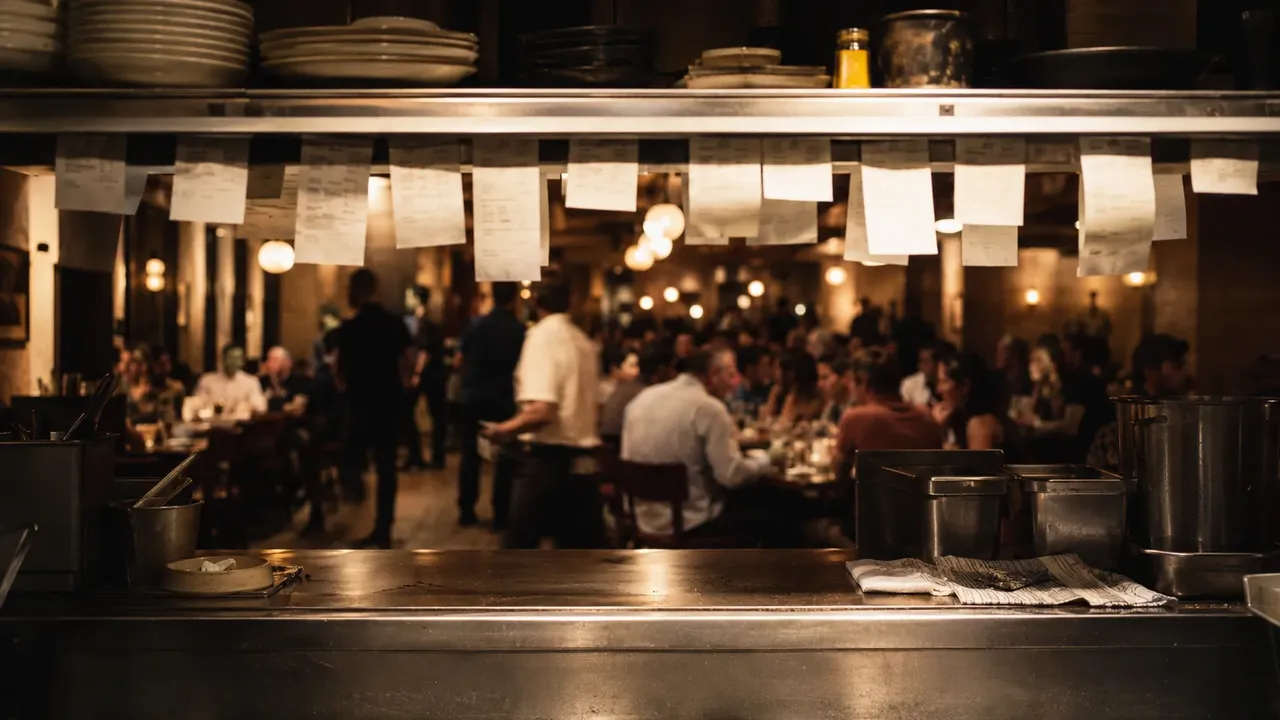
A full restaurant dining room seen from the kitchen pass, with a rail of open tickets hanging in the foreground.

Your Restaurant Is Busy. So Why Aren't You Making Money?

A busy restaurant can still lose money because revenue and profit are different things. Sales must cover food, labor, rent, card fees, delivery commissions, waste and discounts before anything reaches the owner. When a full dining room produces no profit, the cause is usually prime cost rather than traffic. Start with food cost, labor cost and inventory variance.

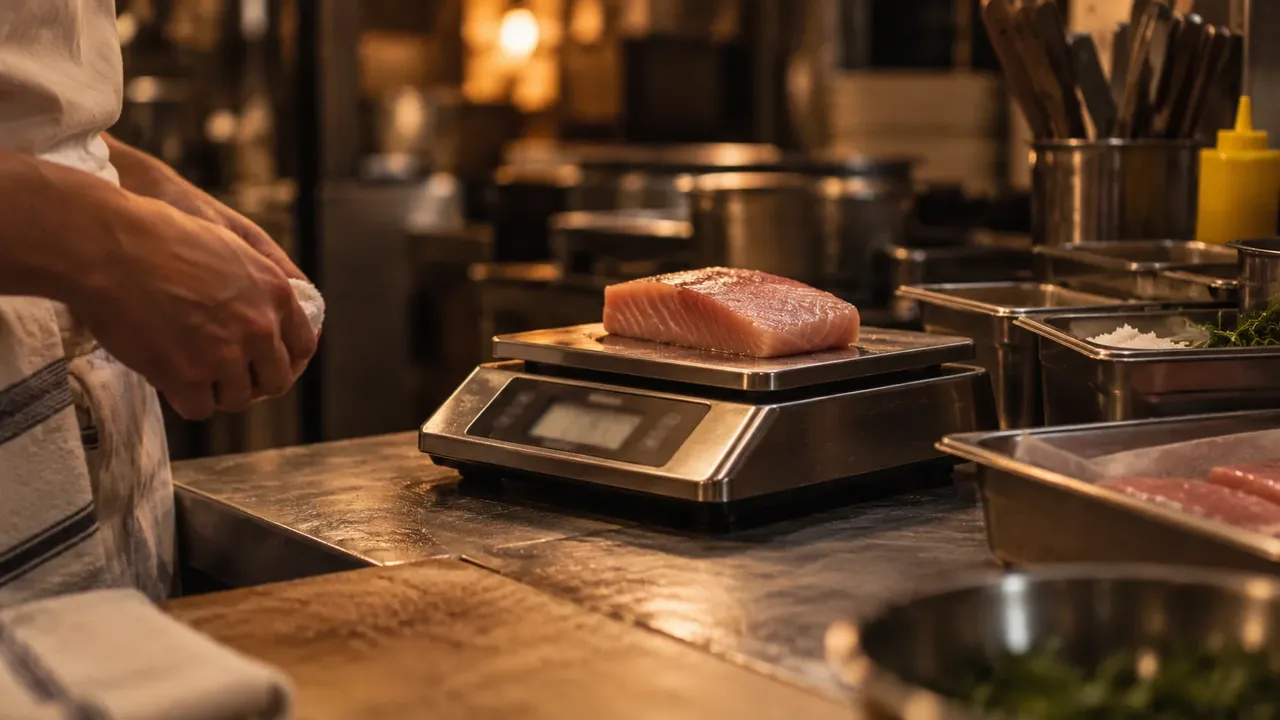
A portion of protein being weighed on a digital kitchen scale at a stainless steel prep counter.

How to Increase Restaurant Profit Without Getting More Customers

You can raise restaurant profit without adding a single guest by making more money from the sales you already have. The levers are recipe costing, portion control, vendor pricing, menu engineering, forecast-based scheduling, waste tracking and comp control. On thin margins, a few points of improvement in food and labor efficiency often moves the bottom line more than a marketing push.

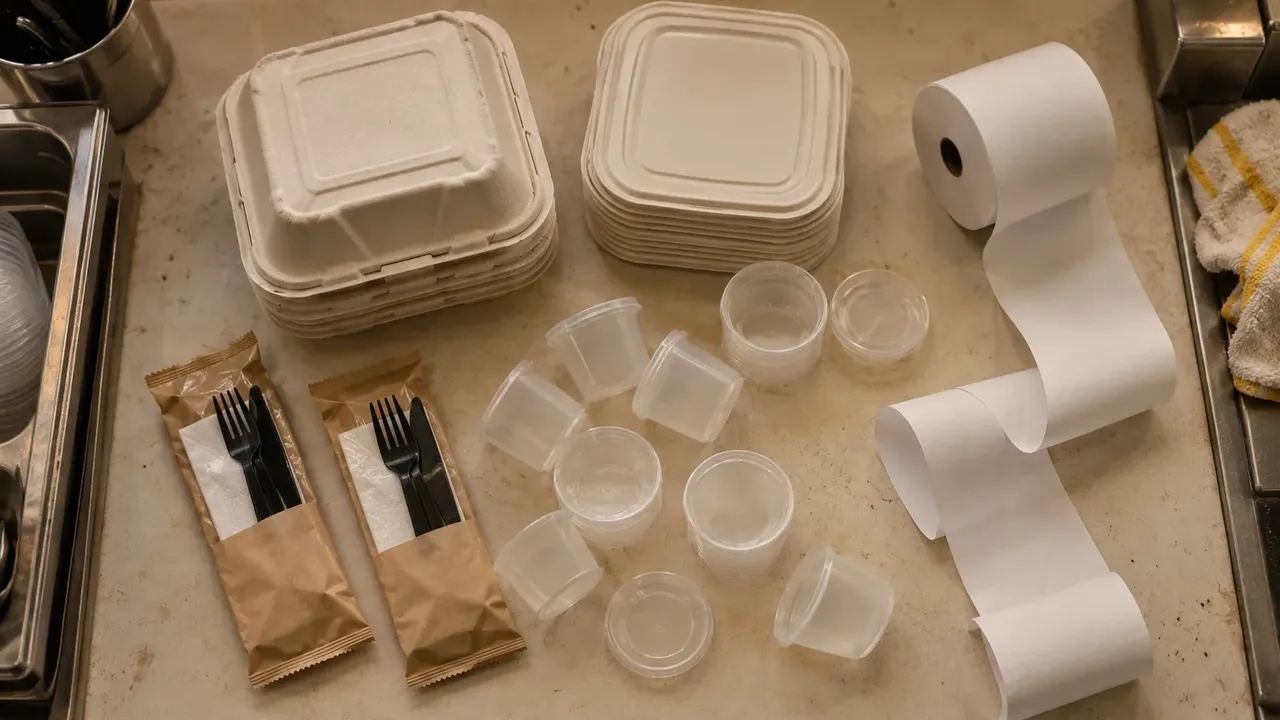
Takeout containers, sauce cups, wrapped cutlery kits and a roll of receipt paper laid out on a worktop.

Where Restaurants Quietly Lose Thousands of Dollars Every Month

Restaurants rarely lose money in one large, obvious place. They lose it in small leaks that repeat hundreds of times a month: over-portioning, free add-ons, unrecorded waste, uncaught vendor increases, spoilage, comps, unnecessary overtime, forgotten subscriptions and delivery commissions. A mistake worth forty cents, made four hundred times, is sixteen hundred dollars a month.

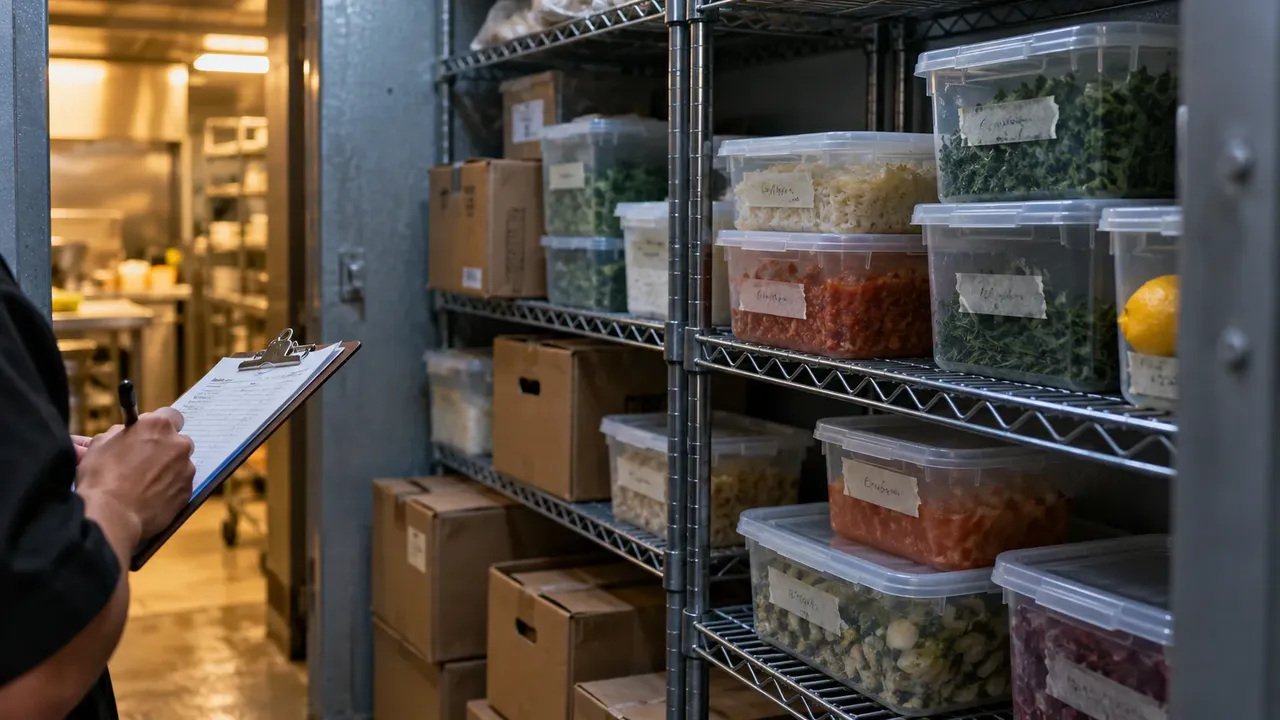
Shelves of labelled containers inside a restaurant walk-in cooler, with a hand holding a clipboard counting inventory.

Your Food Cost Is Too High. Here's Where to Look First.

When food cost is too high, raising menu prices is rarely the first fix. Start by comparing theoretical food cost, which is what your recipes say you should have spent, against actual food cost, which is what you really spent. The gap between them points at portioning, yields, purchasing, waste, spoilage, POS recipe errors, employee meals or counting.

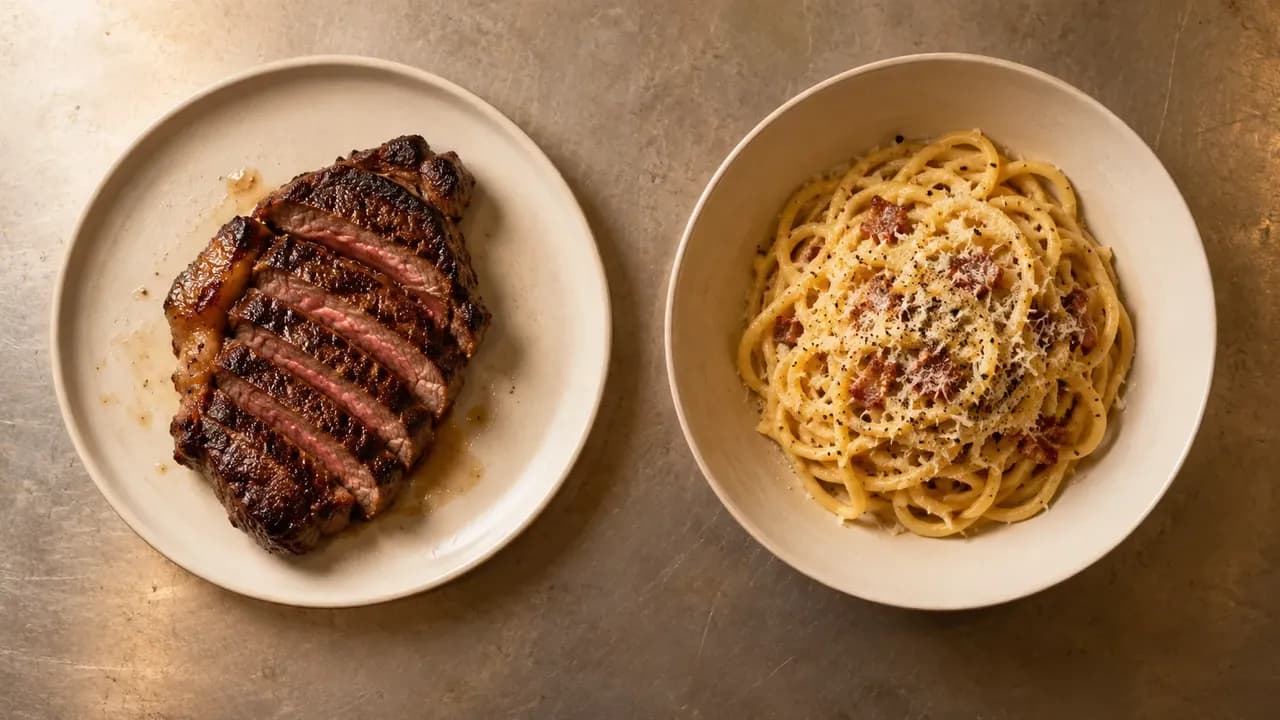
A plated steak and a bowl of pasta side by side, photographed from overhead as a direct comparison.

What Should Food Cost Percentage Be for a Restaurant?

There is no single correct food cost percentage. The right target depends on your concept, your product mix, your labor model and your price point. A pizzeria and a steakhouse should not aim for the same number. What matters more than the percentage is contribution in dollars, since a high food cost item that sells constantly can be worth more than a cheap one nobody orders.

An empty restaurant dining room during a slow afternoon shift, with a single staff member at the back.

Why Your Restaurant Labor Cost Keeps Climbing

Wage increases explain only part of a rising labor cost. The rest usually comes from scheduling by intuition instead of forecast, overstaffing slow shifts, avoidable overtime, poor station design, prep hours nobody questions, long closes and a team that cannot cover each other. Track labor dollars alongside labor percentage: the percentage can look healthy while the dollars climb.

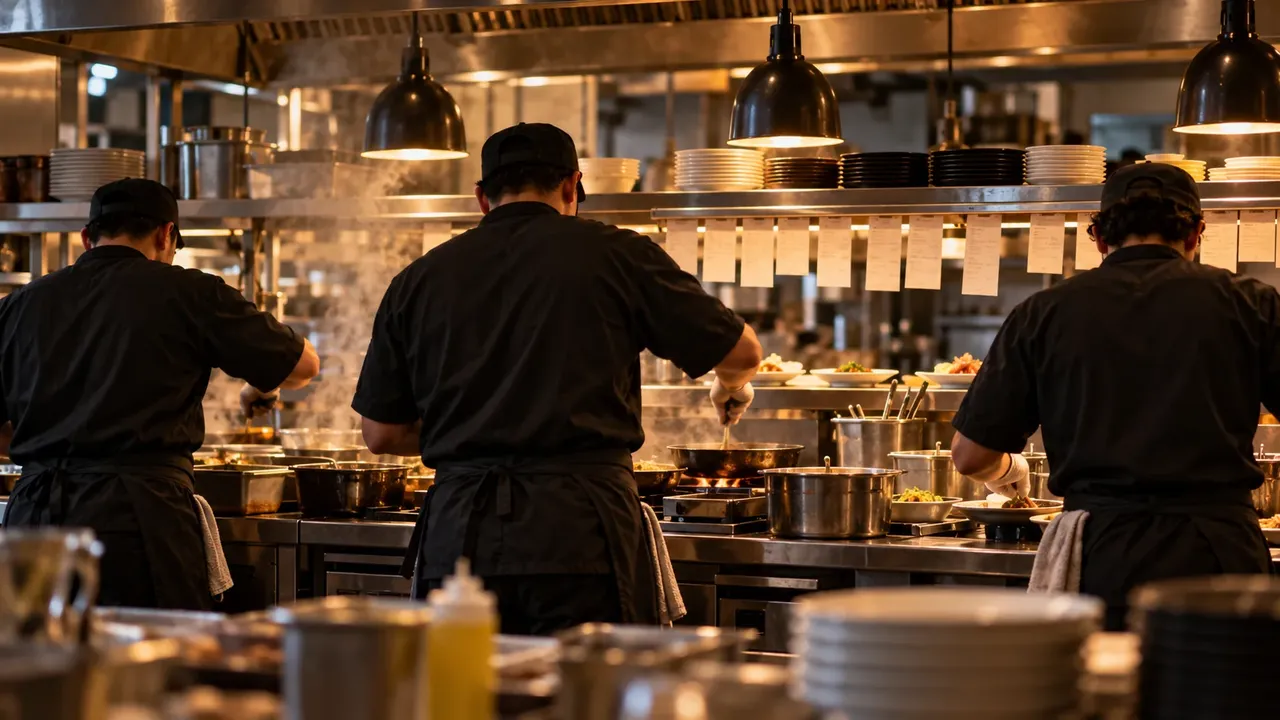
Three line cooks working a hot kitchen line during service, photographed from behind.

How to Cut Restaurant Labor Cost Without Destroying Service

Cutting labor cost does not mean sending people home. It means making the hours you pay for more productive through better forecasting, cross-training, smarter prep, shorter opens and closes, simpler stations and schedules built around real demand. Cutting hours bluntly raises ticket times, damages reviews and reduces repeat visits, which costs more than the payroll it saved.

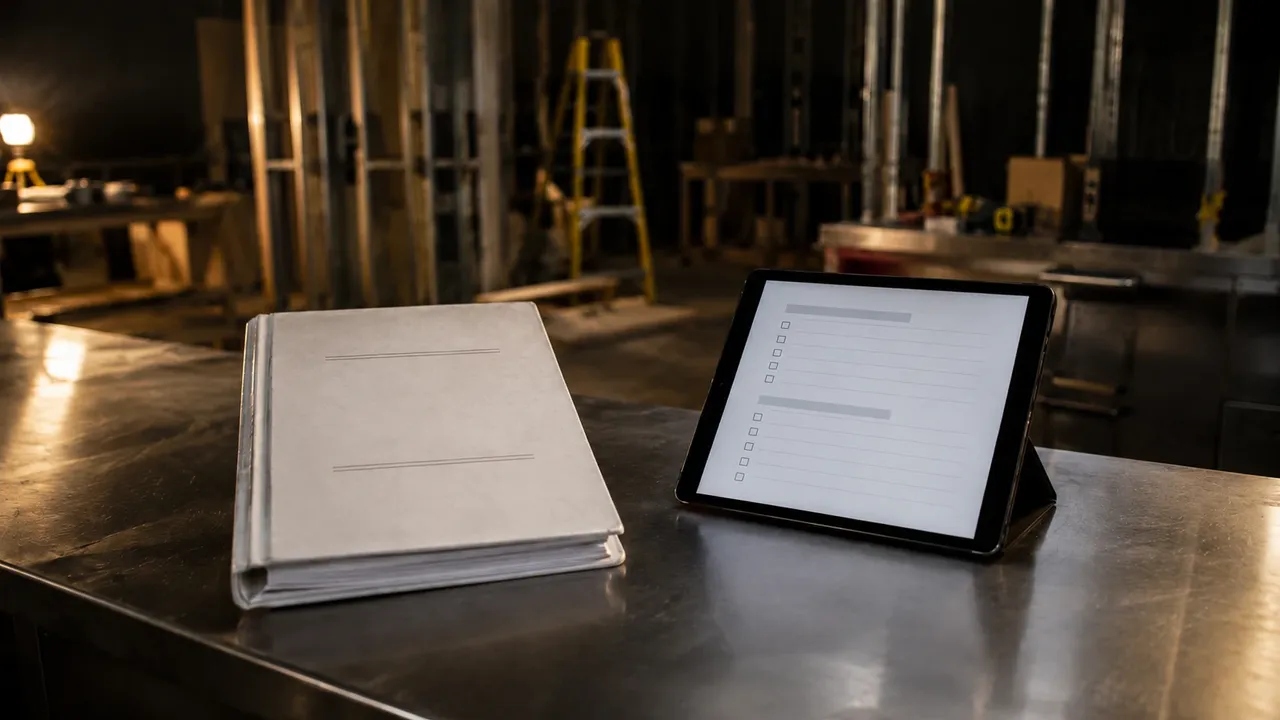
A restaurant SOP binder and a tablet showing a recipe checklist on a stainless steel counter in a kitchen under construction.

How Restaurants Build a Copy-and-Paste System for a Second Location

Opening a second location successfully means turning what already works at the first one into a documented system — recipes, SOPs, and training — before you open, not after. The restaurants that expand fastest treat their first location as a prototype, not a one-off.

Newsletter

Get the next article first

New writing on getting found in search and AI answers, restaurant marketing, and the work behind our projects. Only when it’s worth your time.

Unsubscribe any time. See our privacy policy · Protected by reCAPTCHA.

Restaurant Operations Articles · SHTROM Creative